


Author: Meenakshi Sehgal
Drought in Europe has been severe in 2026 and its effects are apparent everywhere. Low rainfall, ongoing heat and dry soils are reducing river flows across the continent. That’s bad news for just about everyone: farmers, energy producers, shipping companies, wildlife and people who need clean water. But what made the problem of European River Droughts more problematic?
Low River Levels: Increasing Water Stress
By August, Europe was still in critical condition, the European Drought Observatory said. Drought warnings were still in place across France, Belgium, the Netherlands, Germany, northern Italy and the Danube basin. Their indicators – rainfall, soil moisture and river flow – indicated the crisis stabilizing at a significant level.
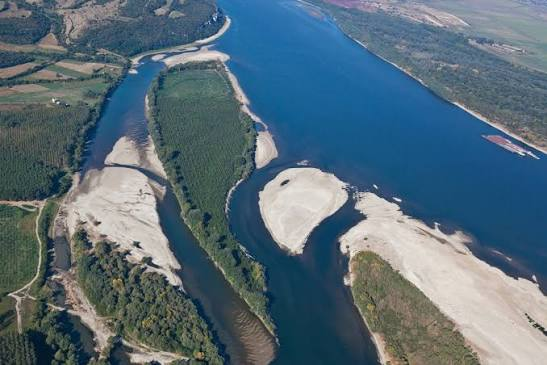
Other reports say the same thing. Rivers across much of Europe had far less water than normal, reported Copernicus. The Rhine in Germany and the Netherlands set a gloomy record low for July flows. The Danube’s water level fell near a record-breaking low, hampering shipping, irrigation and power generation.
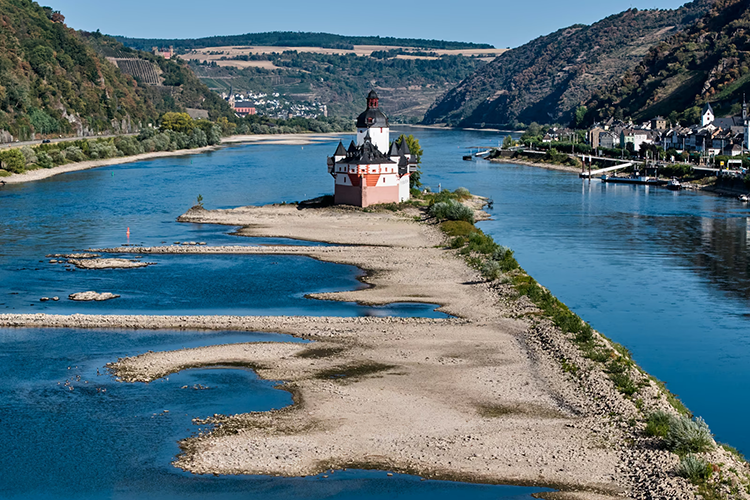
The European Commission’s Joint Research Centre reported in August that the Loire, Po, Rhine and Danube had reached record low levels as prolonged rainfall deficits combined with recurrent heatwaves.
This was not just an impact on the western rivers. The European Space Agency noted record low levels of the Danube near Budapest, where ferries and barges are struggling, and fears are mounting of a shortage of water and energy in the city. Warmer, more polluted water with less oxygen also impacted the aquatic ecosystems and wildlife faced more adversity.
Ecohydrologist Thibault Datry of France’s INRAE warned that more than 40% of small French waterways had dried up or experienced disrupted flow by the end of July. He noted that rivers which had not dried within living memory were now ceasing to flow, highlighting the ecological consequences of the drought.
These developments help us understand why climate change in Europe is becoming an integral part of water security. As pointed out by Deltares, the Rhine’s low flows in 2026 were due to several reasons, including:
• Drought during the spring season
• Warmth in temperature
• Early snowmelt
• High evaporation rates
• Limited inflow of glacier water
With these trends, they say, climate change is making dangerously low summer flows a common scenario and the new reality. Deltares water availability expert Frederiek Sperna Weiland said that glaciers are steadily decreasing in area and volume and that their contribution to late-summer river flow will become very small in coming decades.
The scientific evidence also points to heat intensifying the problem. A World Weather Attribution analysis reported by Reuters found that climate change has made agricultural soil drought about five times more likely in western Europe and 11 times more likely in eastern Europe.
The Wider Economic Impact of Drought
Drought in Europe doesn’t just dry up rivers or harm wildlife; it hits the economy too, and hard. Farmers feel it first. Without enough rain, crops need extra irrigation, which isn’t always possible or affordable. When river levels drop, shipping companies run into trouble too. Boats can’t carry full loads, so moving goods suddenly costs more and takes longer.
Energy is another sector that faces consequences. Hydropower plants need flowing rivers to work, and many power stations use water to prevent their machines from overheating. During scarcity, industries that depend on freshwater for their processes have to adjust or find alternatives.
The European Commission observes that drought causes economic losses in various industries, as they affect the following:
• Agriculture sector
• Energy production
• Public water supply systems
• Ecosystems
• Logistics and supply chain
This way, droughts become an economic issue that affects river regions and various business networks. The European Commission estimates that drought already causes roughly €9 billion in annual losses in Europe, with agriculture, energy and public water supply accounting for most of the damage.
The EEA also reports that water stress affects about 30% of Europe’s territory and 34% of its population each year. It warns that climate pressures are increasing risks to water security and ecosystems.
Building a More Water-Resilient Europe
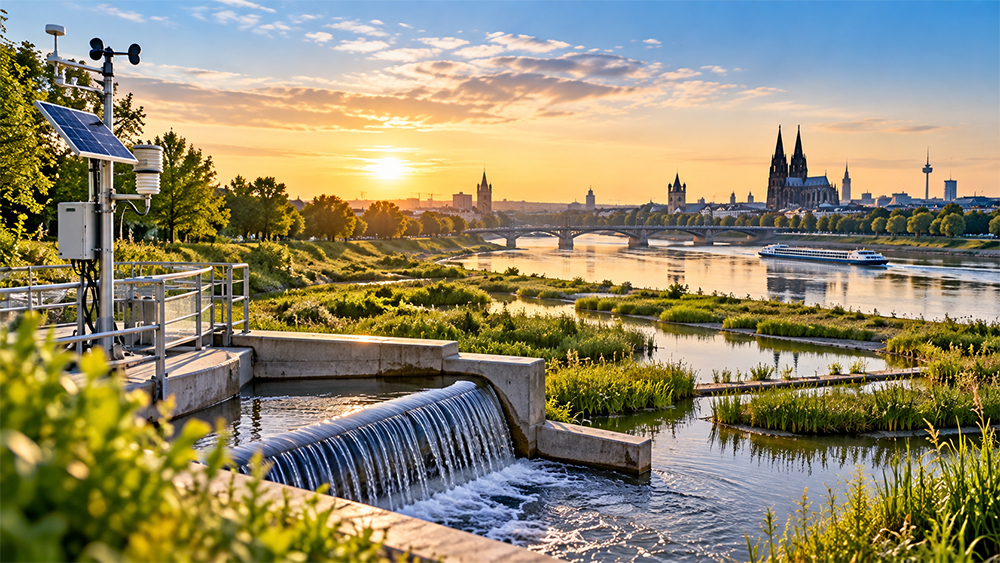
Getting ready for regular droughts? That takes smarter planning and making the most of the water we’ve got. Thankfully, there are monitoring systems that track rainfall, soil moisture, and river flows. These early warnings give governments and companies time to prepare before things get serious.
Efficient use of water is yet another crucial factor in addressing climate change in Europe. A few things help: better irrigation systems, fixing leaky pipes, recycling water where possible, and finding ways to reduce wastage – all reduce the strain on supplies. Natural solutions are also available for this issue. Wetlands, forests, and rivers could also help retain water during drought.
The EEA recommends stronger water efficiency, leakage reduction, water reuse and nature-based solutions such as wetland restoration. Its assessments show that water scarcity affected 28% of EU territory during at least one season in 2023, demonstrating that water stress extends well beyond traditionally dry Mediterranean regions.
All these factors can prepare communities for future climatic changes. They can adapt and still protect their precious freshwater resources.
About Meenakshi Sehgal: Meenakshi Sehgal is an experienced writer who loves to research and write across diverse niches. She is skilled at doing in depth research, finding reliable information, and creating articles on lifestyle.