

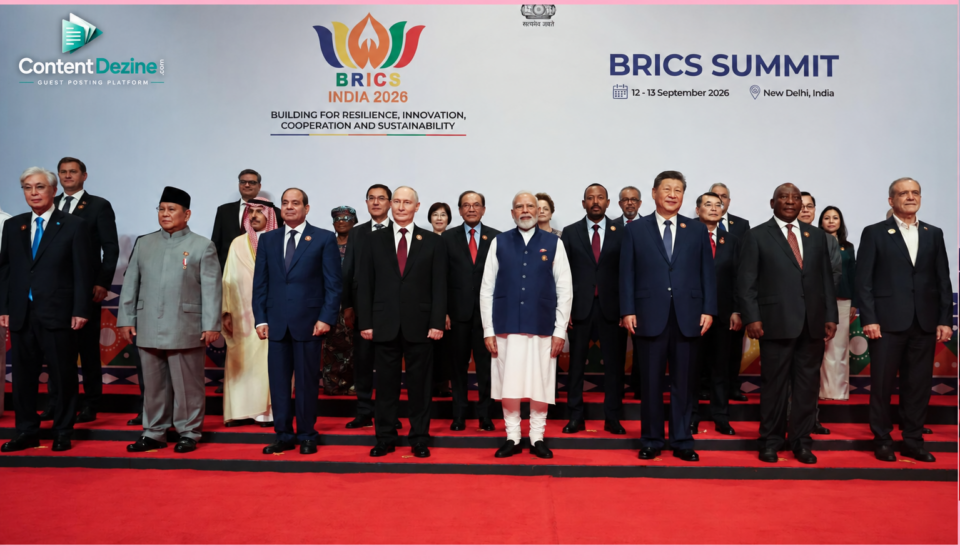

The BRICS Summit 2026 India diplomatic achievements story is more complicated than a simple victory or defeat. Held in New Delhi on September 12–13 under the theme “Building for Resilience, Innovation, Cooperation and Sustainability” the 18th BRICS Summit gave India an important diplomatic stage. India was not merely the host. It was the 2026 chair and had spent the year organising more than 350 meetings and high-level engagements across nearly 30 cities.
India Put the Global South at the Centre
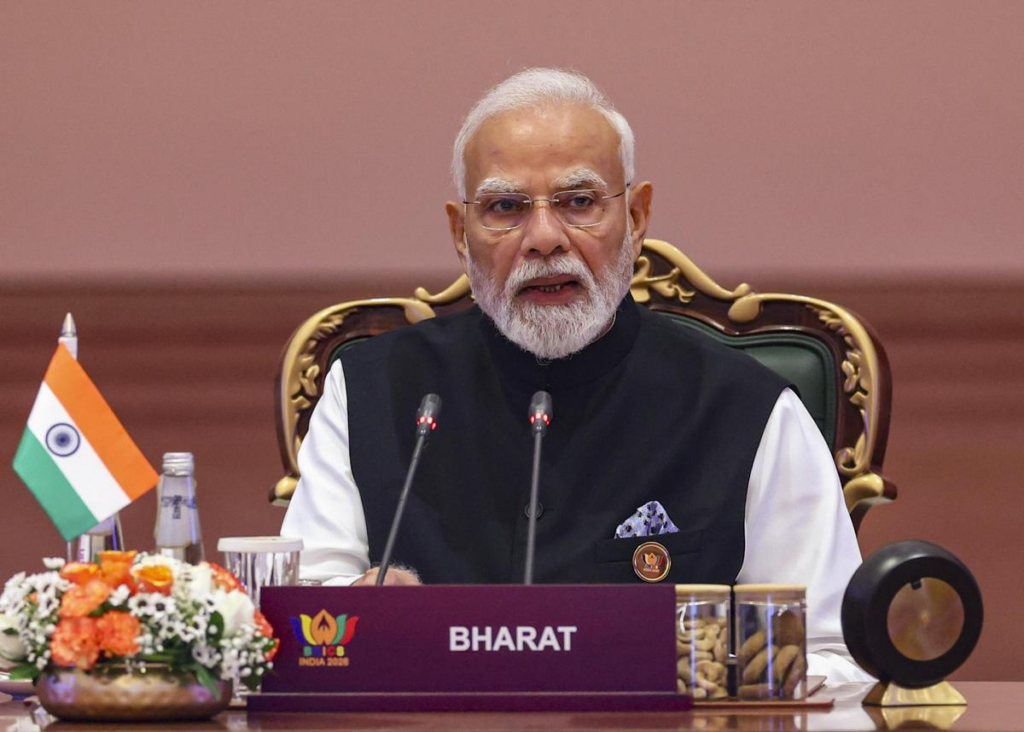
Prime Minister Narendra Modi used the summit to argue that developing countries should move from being “rule-takers” to “rule-shapers”. India pushed for reform of global institutions and greater representation for developing nations. The New Delhi Declaration backed a more representative international system and recorded support for India’s aspirations for a greater role in the United Nations and Security Council.
This was a clear diplomatic gain. India also managed to bring countries with very different political interests around a common 140-point declaration. The document covers trade, technology, health, agriculture, climate, finance, global governance and people-to-people cooperation.
There Were Real Initiatives — But Mostly Frameworks
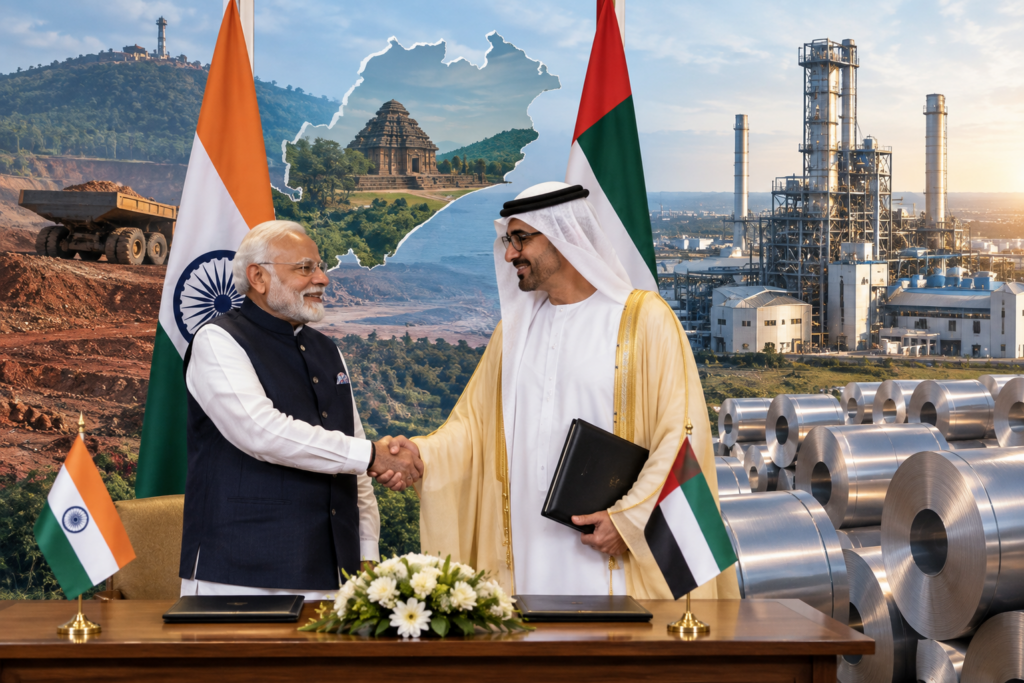
India’s chairship produced several practical initiatives. These include the BRICS Economic Partnership Strategy 2030, a Global Value Chain Action Plan for 2026–2030, cooperation on digital services, MSME finance, digital agriculture, health, smart grids and energy storage. The New Development Bank also launched a BRICS-NDB Knowledge Portal.
India also secured an important commercial announcement outside the declaration. The UAE highlighted an announced US$11.5 billion integrated greenfield aluminium project in Odisha.
Yet most BRICS announcements remain frameworks, action plans or mechanisms. Their real value will depend on implementation.
The $226 Billion Question
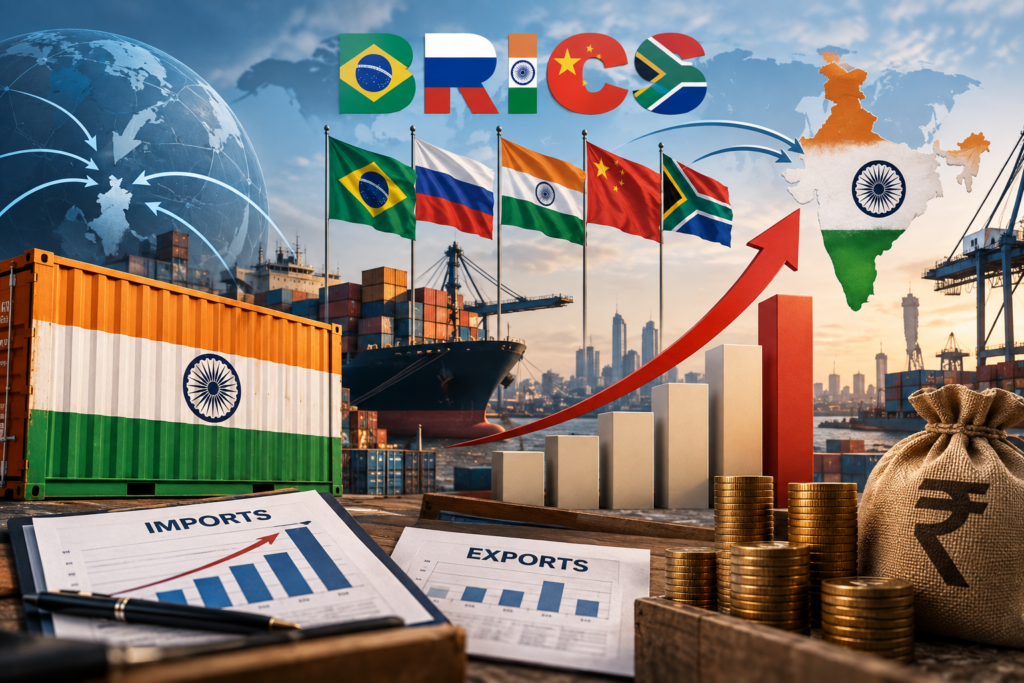
This is where India’s diplomatic success becomes economically uncomfortable. According to Global Trade Research Initiative data reported by The Economic Times, India’s trade deficit with BRICS reached $226.1 billion in FY2026, up from $74.5 billion in FY2021. BRICS countries now account for more than 41% of India’s merchandise imports.
China is central to the problem. India and China discussed trade imbalance, supply chains and market access during Modi’s meeting with Xi Jinping. Better dialogue is welcome, but a diplomatic meeting does not automatically produce balanced trade or resolve the border issue. Reuters also noted that the summit gave China an opportunity to strengthen its influence within BRICS.
Even the Opposition Is Divided
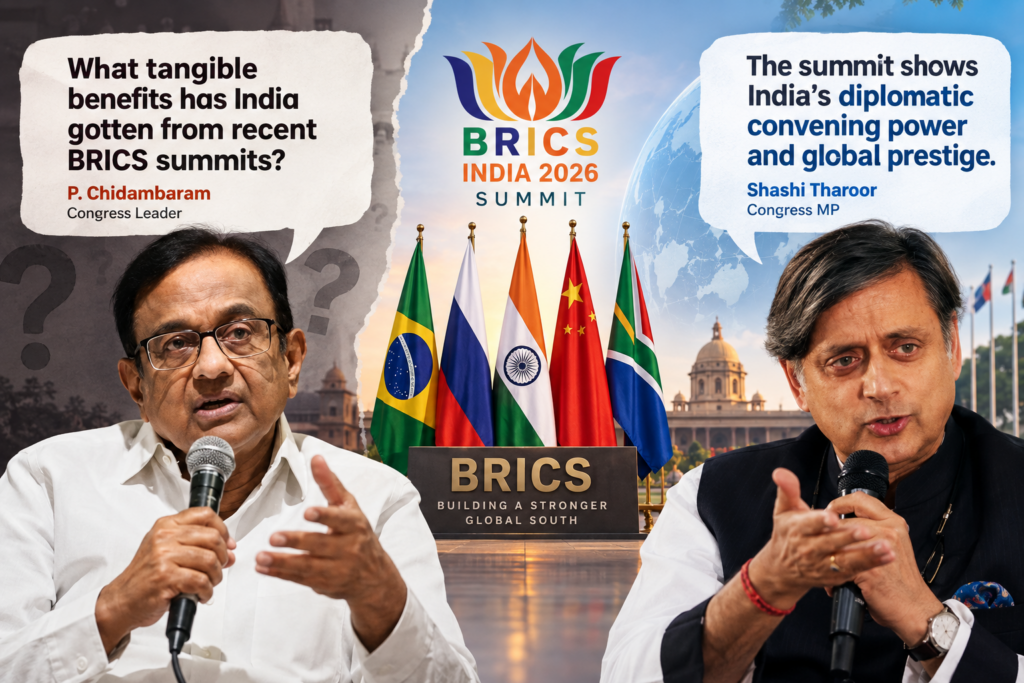
The political debate in India reveals the ambiguity. Congress leader P. Chidambaram questioned the tangible benefits India had obtained from recent BRICS summits. Congress MP Shashi Tharoor, however, defended the summit as a demonstration of India’s “diplomatic convening power” and global prestige. That disagreement actually captures the summit’s outcome rather well.
So, Did India Win?
Diplomatically, largely yes. Economically, the verdict is still open.
India successfully hosted an expanded BRICS, kept competing powers talking, promoted the Global South, obtained support on global governance reform and pushed several new cooperation mechanisms.
But the bigger test starts now. Can those declarations create exports, investment, technology transfer and jobs? Can India reduce its enormous BRICS trade deficit? And can it prevent China’s growing influence from overwhelming its own strategic interests?
The New Delhi Declaration itself calls for “outcome oriented enhanced coordination” and long-term institutional development.
That may be the most revealing phrase of the entire summit.
India won the diplomatic round. Whether it wins the economic round will depend on what happens after the summit ends.