


Author: Rudranath Chakraborty
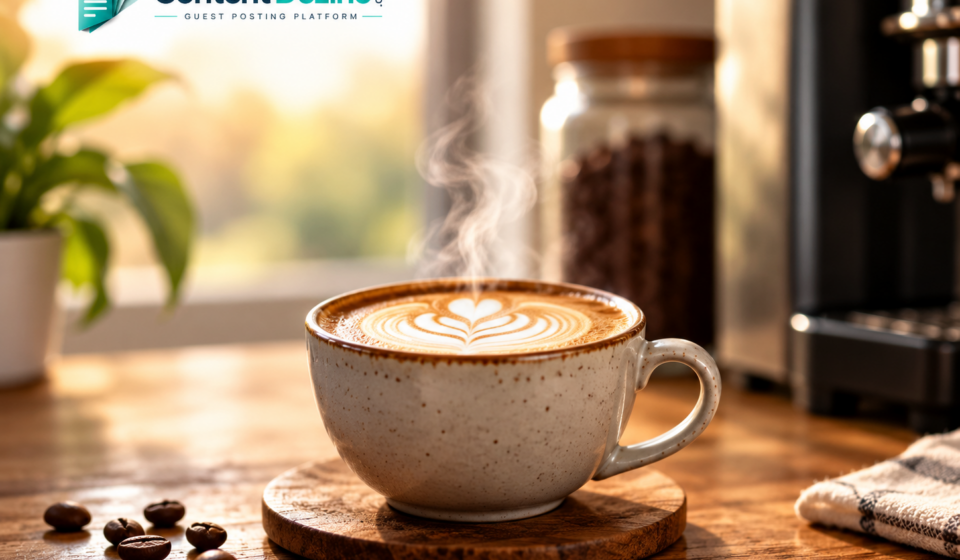
There was a time when a bad morning could only be repaired by walking into a coffee shop, ordering a cappuccino and pretending the foam was therapy. Now, an increasing number of coffee lovers are asking a different question: Why go to the café when you can build one at home? Options for the best coffee setup for home are now possible easily!
Welcome to Home Café Engineering—the art of turning a kitchen counter into a miniature coffee laboratory, complete with an espresso machine, quality grinder, carefully chosen beans, syrups, milk frother and, naturally, one very serious-looking coffee scale. It is part hobby, part lifestyle and, increasingly, part business opportunity.
The Coffee Shop Is Coming Home

The numbers suggest that this isn’t simply an Instagram fantasy. A 2026 National Coffee Association survey found that 85% of U.S. coffee drinkers who had coffee the previous day consumed it at home, the highest proportion recorded since 2012. Hybrid working, expensive café visits and improving home equipment are all contributing to the shift. Industry adviser Gerd Müller-Pfeiffer put it rather neatly: “Home machines now deliver near out-of-home quality.”
And once the machine arrives, something funny happens. You stop merely making coffee and start engineering coffee. You adjust the grind by one tiny notch, weigh your beans, experiment with milk temperature and suddenly your Saturday morning looks suspiciously like a chemistry practical. here are the interesting facts about best coffee setup for home that you would know about.
From Kitchen Window to Real Café
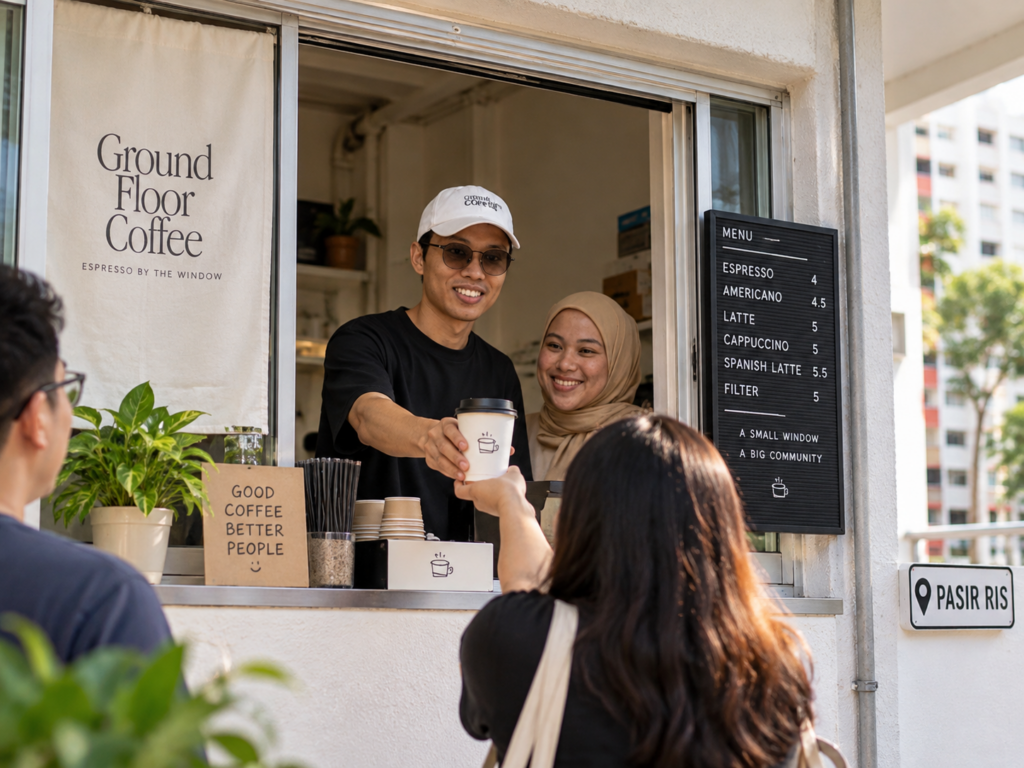
One of the most charming examples comes from Singapore. Photographer and self-taught barista Adhwa Hasif began Ground Floor Coffee from the window of his family’s HDB flat in Pasir Ris. What began as a small neighbourhood experiment went viral, attracting customers from across Singapore. At one stage, Hasif said the operation was selling around 40–50 cups a day, sometimes stopping early because supplies such as cups and milk ran out.
Eventually, demand became too large for a residential window. Hasif introduced reservation slots and later moved Ground Floor Coffee into a physical takeaway café. He described the transition as a “leap of faith”, while admitting that being home-based had also meant missing commercial collaboration opportunities.
That is perhaps the most important lesson: a home café doesn’t necessarily kill the traditional café—it can become its testing laboratory.
The Entrepreneur in the Kitchen
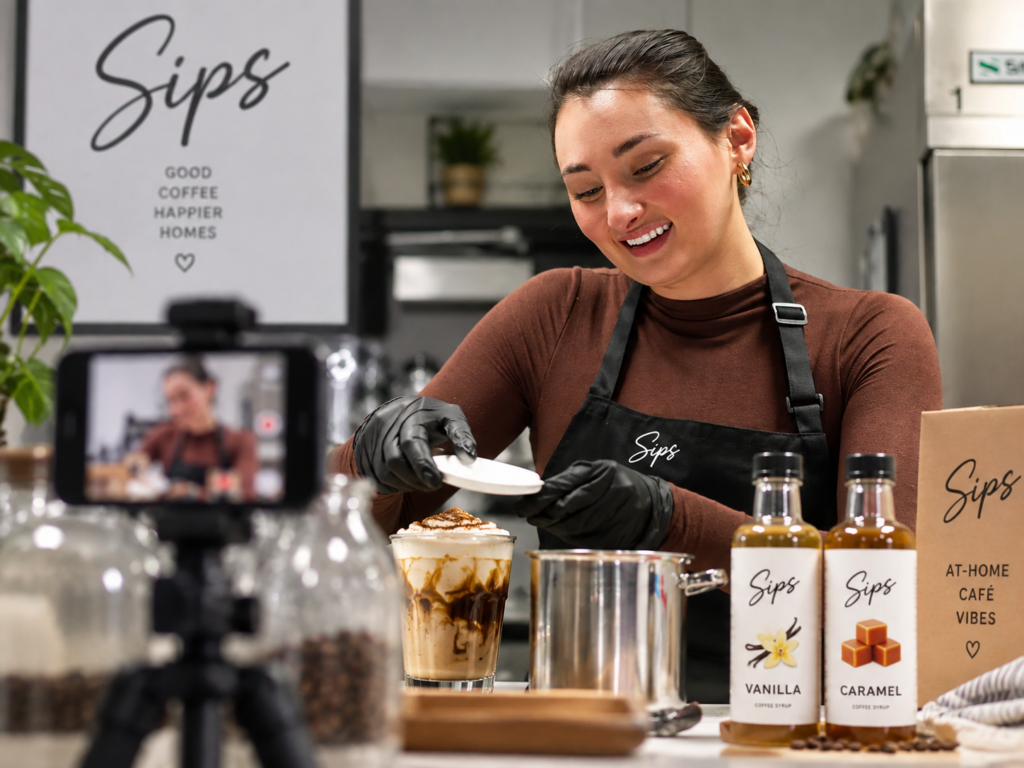
Another route is to sell the home café experience itself. American entrepreneur and creator Stefania Marzelia, founder of Sips, built an online community of almost one million followers around coffee and barista content before launching specialty coffee and syrups for at-home café drinks.
Her motivation was wonderfully human. After working as a consultant, she said she missed being behind the counter and wondered: “How can I bring the barista experience straight to people’s homes?”
By late 2025, she had hired her first two employees—an encouraging sign that the home-coffee idea can grow beyond a personal passion into a genuine brand.
So, Are Coffee Shops Finished?
Not quite. Cafés still offer conversation, atmosphere, professional skill and the pleasure of escaping your own four walls. But the daily coffee run is no longer the only way to enjoy that ritual.
Home Café Engineering is really about reclaiming the experience. Your kitchen can become your morning café. Friends can become your regular customers. A hobby can become a side business. And, as Ground Floor Coffee demonstrates, a side business can even become a proper café.
Perhaps that is the most inspiring part of the trend. You don’t necessarily need a storefront to begin. Sometimes, you need a good idea, a decent grinder, a little courage—and enough coffee to survive the experiments.
The next great café might already be waiting on your kitchen counter.