

Author: Debapriya Chakraborty
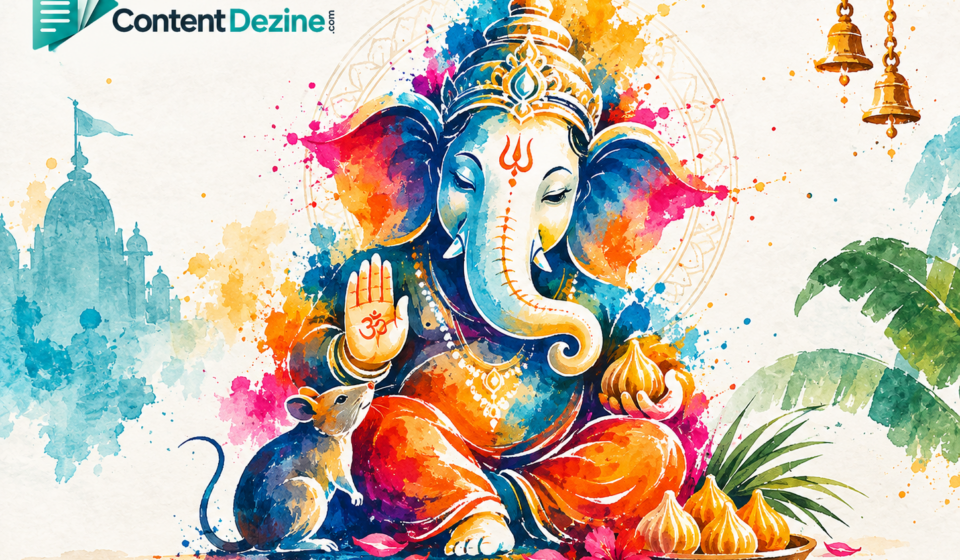
Ganesh Chaturthi is here, and with it comes the familiar sight of Ganesha idols, colourful decorations, sweet-smelling modaks and the cheerful chants of “Ganpati Bappa Morya!” For millions of devotees, Ganesha is the beloved elephant-headed god who is invited home before being ceremonially bid farewell. We know him as the remover of obstacles, the god of wisdom and the patron of new beginnings. But there is much more to the cheerful-looking deity than meets the eye. From his enormous ears to his tiny mouse companion, every part of Ganesha’s appearance and worship has a story to tell. This Ganesh Chaturthi, let’s look at five interesting facts about Lord Ganesha that you may not know.
His Big Ears Have a Message
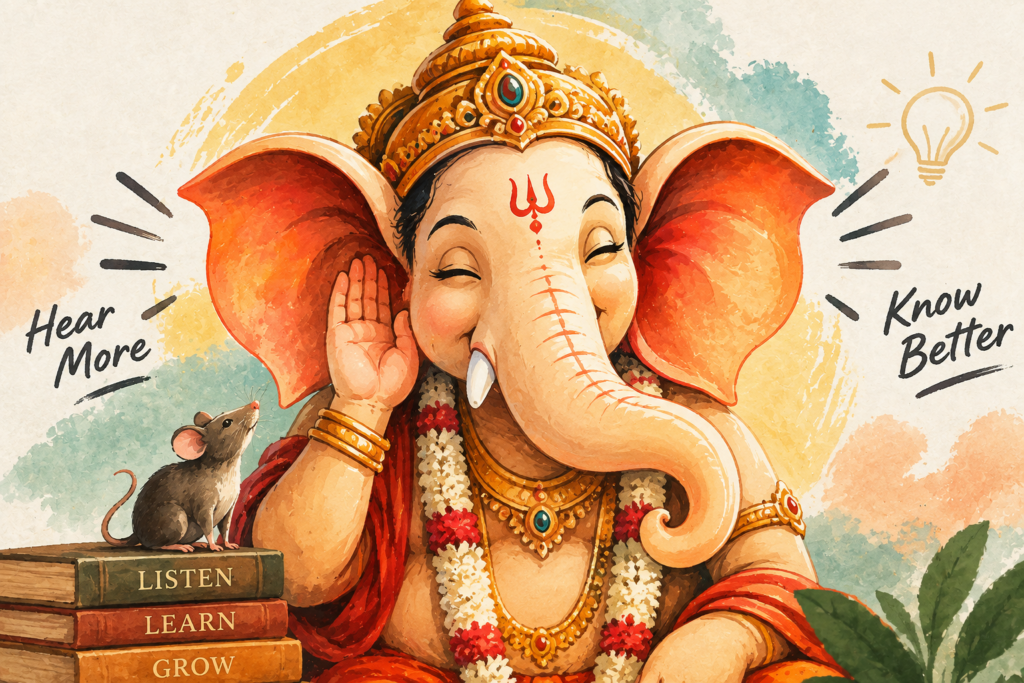
Ever wondered why Ganesha has such enormous ears? They aren’t simply an artist’s way of making him look more elephant-like. His ears are often compared to a traditional winnowing basket, which separates useful grain from unwanted chaff. In symbolic terms, Ganesha’s ears remind us to listen carefully and know what to keep and what to ignore.
Perhaps that’s why the god of wisdom has such impressive listening equipment! In a world full of noise, Ganesha seems to be telling us: hear everything, but don’t believe everything.
He Doesn’t Just Remove Obstacles
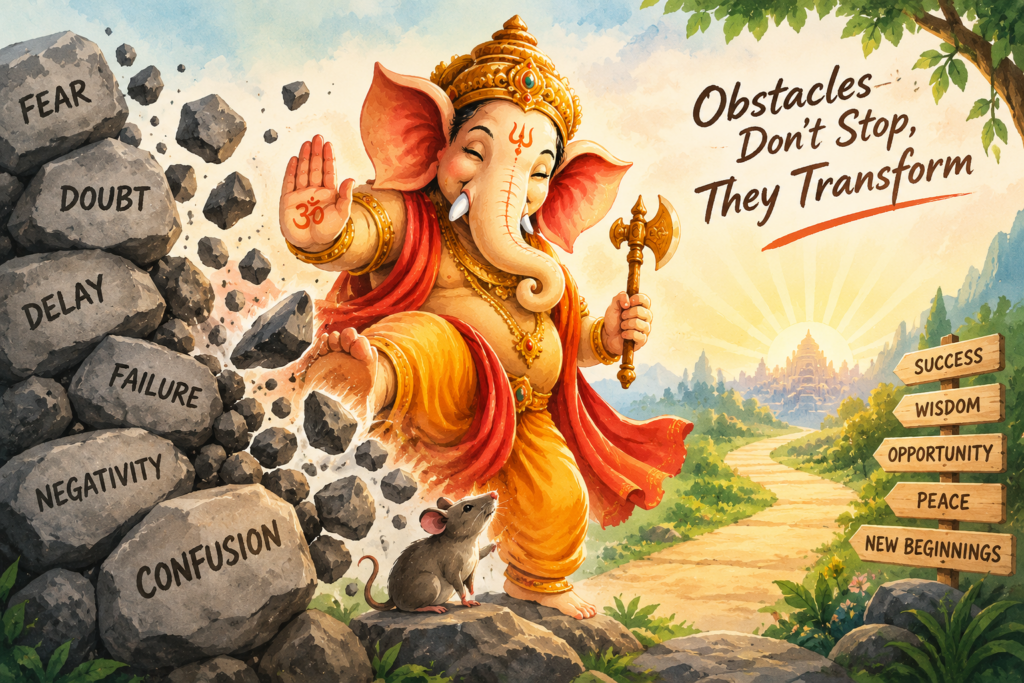
Ganesha is famously called Vighnaharta, the remover of obstacles. But here’s the fun twist—he is also known as Vighnaraja, the Lord or King of Obstacles.
In older traditions, beings known as Vinayakas were associated with causing disturbances. Over time, Ganesha became the powerful deity who could control these forces. So, Ganesha isn’t simply the divine version of a problem-solver. He is the master of the problems themselves.
No wonder people remember him before starting almost anything important!
The Modak Is More Than a Sweet
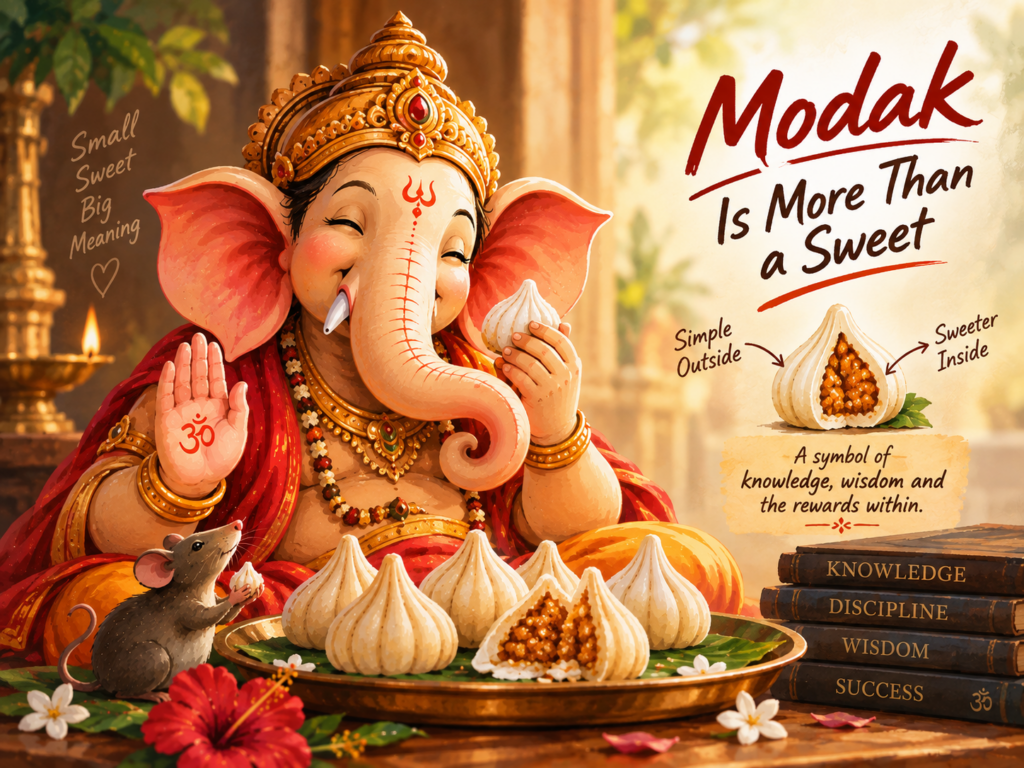
What would Ganesh Chaturthi be without a plate of steaming modaks? Ganesha’s favourite sweet is practically a celebrity during the festival.
But the humble modak has a deeper symbolism. Its outer layer may look simple, while its real sweetness is hidden inside. It is therefore often associated with the sweetness of knowledge and spiritual understanding.
So when Ganesha happily accepts a modak, the message isn’t merely “God likes sweets.” It can also be seen as a reminder that the rewards of knowledge are worth discovering.
Why Does The Elephant God Ride a Mouse?
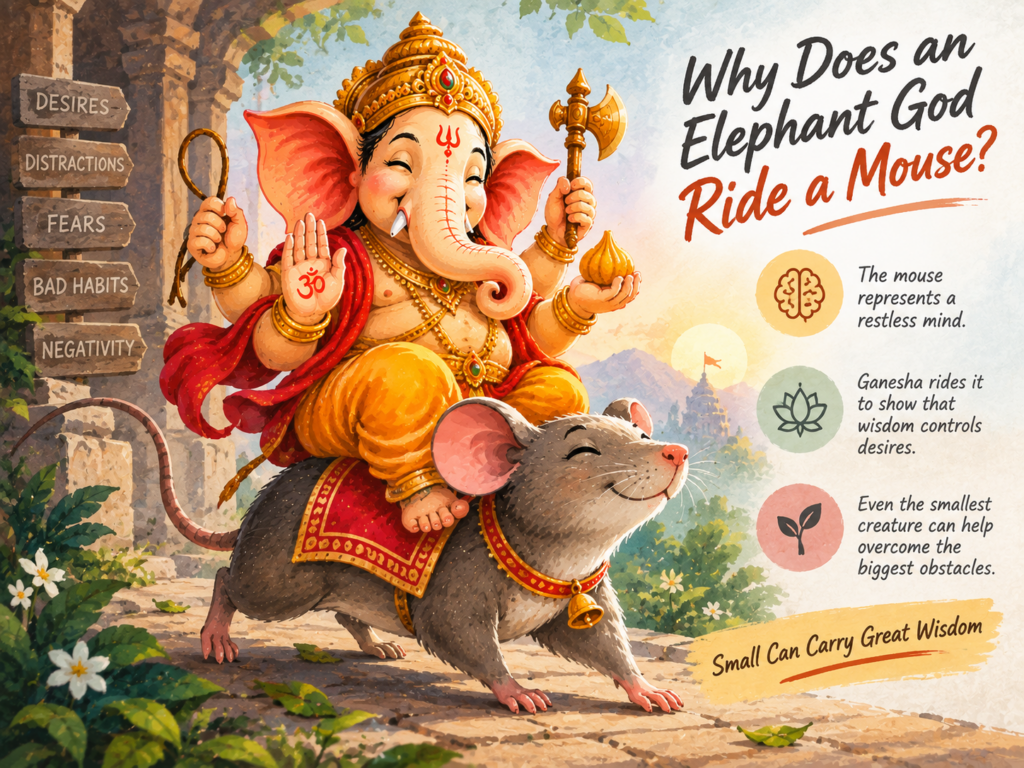
This might be the world’s most unlikely divine vehicle: a gigantic elephant-headed god riding a tiny mouse!
Ganesha’s vahana, or vehicle, is called Mushaka. The mouse has been interpreted as representing restless desire or a wandering mind—always squeezing into places it shouldn’t. Ganesha sitting on it symbolises intelligence controlling restless impulses.
There is also a practical side to the symbolism. Rodents could destroy crops and stored food, making the mouse a fitting creature for a deity associated with obstacles.
In other words, Ganesha has literally got his problems under him.
Why Is Durva Grass So Special in Worshipping the Lord?
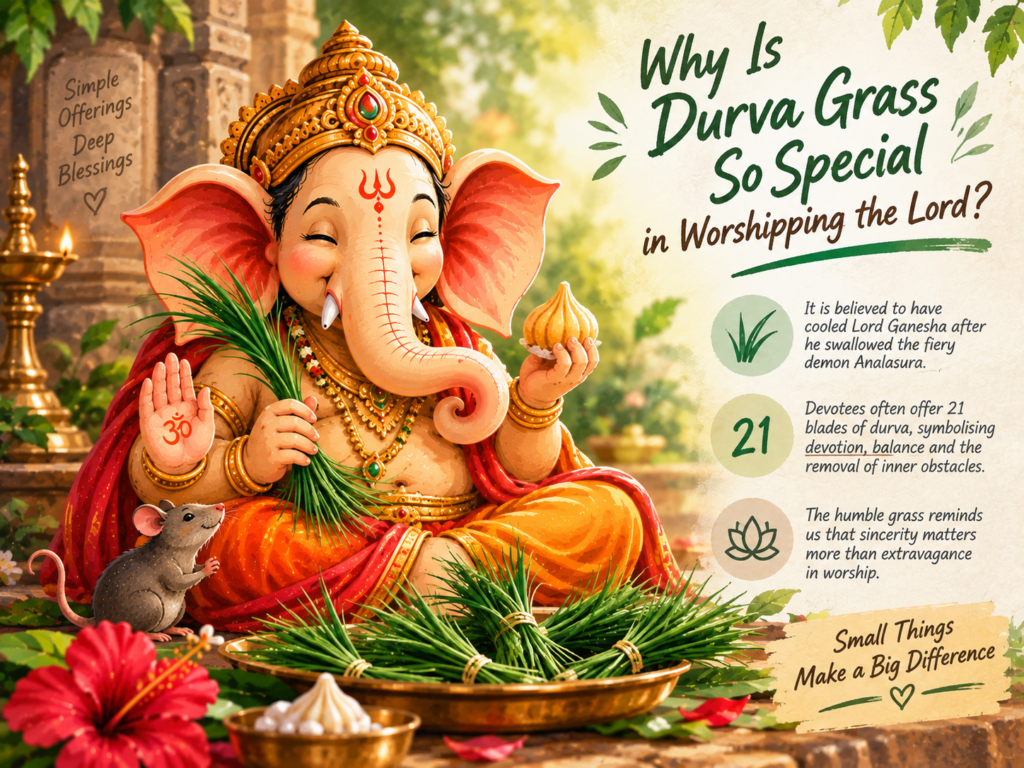
During Ganesha worship, devotees often offer durva grass, sometimes in sets of 21. Why something as ordinary as grass?
One popular legend connects the tradition with the demon Analasura, whose fiery nature created unbearable heat. After Ganesha swallowed him, durva was offered to cool Ganesha down.
The story may be ancient mythology, but the ritual carries a charming message: the simplest offering can become precious when offered with devotion.
Lord Ganesha is Full of Surprises
This Ganesh Chaturthi, when you look at Ganesha, take a second look. His big ears aren’t just ears. The modak he likes isn’t just a sweet. His mouse isn’t just a funny little vehicle, and even the grass placed before him carries a story. And read Content Dezine blogs to know more facts like interesting facts about Lord Ganesha.
Perhaps that’s what makes Ganesha so enduringly popular. He can be the grand cosmic deity, the wise teacher, the mischievous character of family stories and the lovable god who seems perfectly happy sitting beside a plate of modaks.
So, as the chants rise and the celebrations begin, remember: there is always more to Ganesha than meets the eye.
Ganpati Bappa Morya!