



Author: Rudranath Chakraborty
Sydney Sweeney’s latest advertising campaign has turned into an unexpected confrontation between celebrity marketing and the sports world. The Sydney Sweeney ad for sports prediction platform Novig shows the actor appearing with little or no clothing while strategically using footballs basketballs tennis equipment and other sporting objects to cover herself. Released as part of Novig’s “Just Sports” campaign the commercial quickly went viral and reportedly attracted more than 22 million views during its first two days.
What Does the Novig Advertisement Show?

The campaign presents Sweeney pretending to participate in several sports while the advertisement repeatedly emphasizes the word “sports”. One scene shows her sitting on a basketball hoop while another places her behind footballs. The commercial ends with Sweeney on a pool table saying: “You can’t trade this, I just look good here.”
The controversy became more significant because Sweeney is not simply a celebrity ambassador. Novig identifies her as a strategic partner and equity holder. CEO Jacob Fortinsky has also said that Sweeney approached the company and helped drive the campaign’s visuals and messaging.
Why Are Female Athletes Objecting?

The strongest criticism has come from female athletes who argue that the campaign sexualizes women within a sporting context rather than celebrating athletic achievement.
Four-time Olympic swimming champion Ariarne Titmus described the advertisement as “a kick in the face” to women who have dedicated their lives to sport. She questioned why monetizing and sexualizing women’s bodies remains part of sports marketing.
British sprinter Amy Hunt delivered an even more direct response after competing in the 200 metres. Referring to the physical demands of elite competition she said: “Muscles. Hard work, blood, sweat, tears.” Hunt also explained that women’s sport is not always glamorous or sexy and highlighted the realities female athletes face while competing.
“This Is What Women in Sport Look Like”

Former gymnast Gracie Kramer helped trigger a wider social-media response by posting footage of herself competing alongside the message “this is what a woman in sport looks like.” Other athletes including Lani Pallister and Bree Rizzo followed with videos highlighting training competition medals and sporting achievements.
Boxer Skye Nicolson offered another important distinction. She argued that there is a difference between appearing attractive while participating in sport and using sex to sell sport. Her objection therefore focused on the commercial context rather than suggesting that female athletes should not embrace femininity.
Former Olympic athlete and Australian MP Zali Steggall went further by arguing that the advertisement uses overt sexualization to attract young men towards gambling while diminishing women’s sporting achievements.
What Does Novig Say?
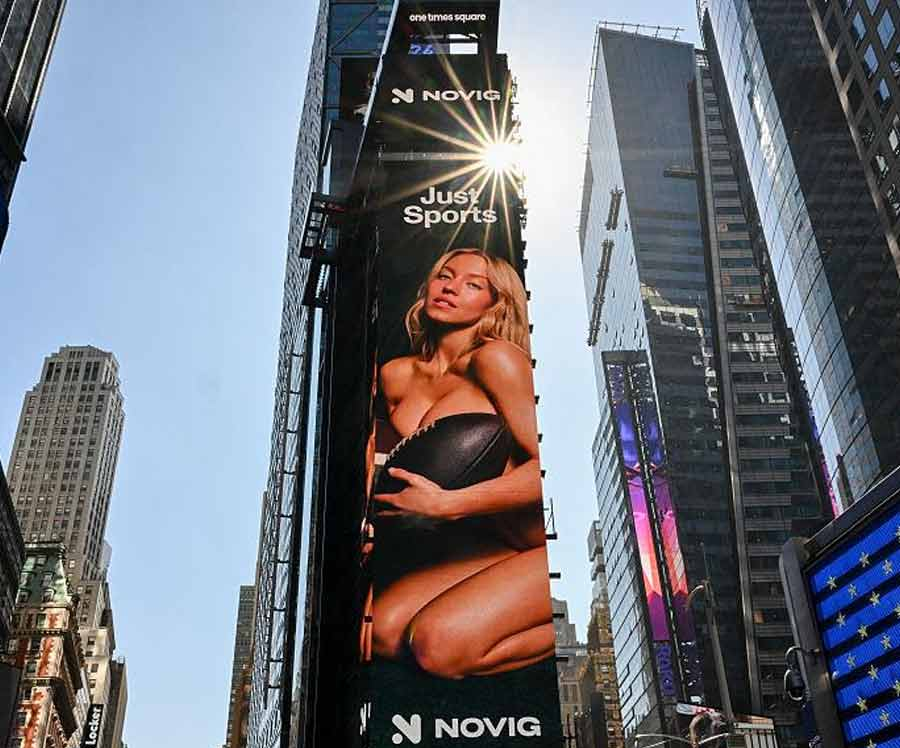
Novig has defended the campaign rather than withdrawing it. Fortinsky said the company is “hugely supportive of women’s sports” and stressed that the advertisement was never intended to portray female sport. He argued that Sweeney is an actress and that Novig is a sports-focused prediction market.
Sweeney also appeared to respond by sharing images associated with ESPN’s former “Body Issue” featuring prominent athletes including Serena Williams Megan Rapinoe and Sue Bird. Supporters can view this as evidence that athletic bodies and nudity can coexist while critics argue that those magazine images celebrated athletes whereas the Novig campaign is selling a prediction product.
The Bigger Marketing Question

The Sydney Sweeney Novig ad has undoubtedly generated enormous attention. Public-relations consultant Mark Borkowski called the campaign “cynical soft porn” while acknowledging that controversy creates enormous reach.
That may explain why the campaign has become so powerful online. Yet the controversy raises a larger question for modern sports marketing: when women’s sport is increasingly gaining recognition for athletic excellence can sexualised celebrity imagery still be presented as simply entertainment?
Titmus’s question remains particularly forceful: “How do we live in a world where monetizing a woman’s body and sexualizing women’s sport is still a thing?”
The debate surrounding Sweeney’s campaign is therefore not simply about one provocative advertisement. It is about who gets to define the image of women in sport and whether viral attention should come at the expense of the athletic identity that female competitors have spent generations building.