
Are Senior Citizens Increasingly Suffering from Alzheimer’s and Dementia? What Do Facts Say?

Written by Rudranath Chakraborty
Imagine an elderly woman who once remembered every family birthday but now struggles to recognize familiar dates. Her children initially dismiss these changes as ordinary ageing. Months later, they realize that something more serious may be happening. Similar experiences are becoming increasingly familiar to families across the world.
The numbers tell an equally important story. The World Health Organization (WHO) estimates that 57 million people were living with dementia worldwide in 2021. Nearly 10 million new cases occur every year. In India, a nationwide study estimated that approximately 8.8 million people aged 60 and older were living with dementia. These figures raise an important question: are senior citizens becoming more vulnerable, or are more people affected because populations are living longer?
Understanding Alzheimer’s Disease and Dementia
Dementia is not a single disease. It describes a group of symptoms affecting memory, thinking, communication and the ability to manage everyday activities. Alzheimer’s disease is the most common cause, accounting for an estimated 60–70% of dementia cases worldwide.
Although occasional forgetfulness can accompany normal ageing, dementia involves more significant cognitive changes that interfere with independence. Someone might repeatedly forget recent conversations, struggle with familiar household tasks or become confused in previously familiar surroundings.
Research into Alzheimer’s disease in seniors highlights how strongly the likelihood of developing the condition increases with age. However, growing older does not automatically mean developing dementia. Many people remain mentally active and independent well into their eighties and nineties.
Are Dementia Cases Actually Increasing?
The evidence confirms a substantial increase in the number of people living with Alzheimer’s disease and other dementias. A global analysis published in 2025 estimated that affected adults aged 65 and older increased from 18.1 million in 1990 to 49.1 million in 2021.
At first glance, these numbers suggest an alarming surge. However, researchers distinguish between total case numbers and the proportion of people affected after adjusting for population age differences.
The global study found that the age-standardized prevalence rate among adults aged 65 and older increased by approximately 3% during the same period. This suggests that population growth and ageing explain much of the dramatic increase in total cases.
In simple terms, more people are reaching ages when dementia becomes more common. Nevertheless, the evidence also indicates that the age-specific burden has not remained completely unchanged everywhere.
Why Are Older Adults More Vulnerable?
Age remains the strongest known risk factor for dementia. As people grow older, changes in brain structure and function can increase vulnerability to diseases affecting memory and reasoning.
However, age alone does not explain every case. Cardiovascular health, diabetes, smoking, physical inactivity, hearing loss, depression and social isolation can also influence dementia risk.
The 2024 Lancet Commission identified 14 potentially modifiable risk factors and estimated that addressing them could potentially prevent or delay around 45% of dementia cases worldwide. This is a population-level estimate rather than a promise that individual cases can always be prevented.
Regular exercise, balanced nutrition, good sleep, social interaction and appropriate management of chronic health conditions can support healthy ageing. These habits cannot eliminate every risk, but they offer meaningful opportunities to protect overall health.
Recognizing the Early Warning Signs
Families sometimes overlook cognitive changes because they assume forgetfulness is inevitable in old age. Unfortunately, this misunderstanding can delay medical assessment and practical support.
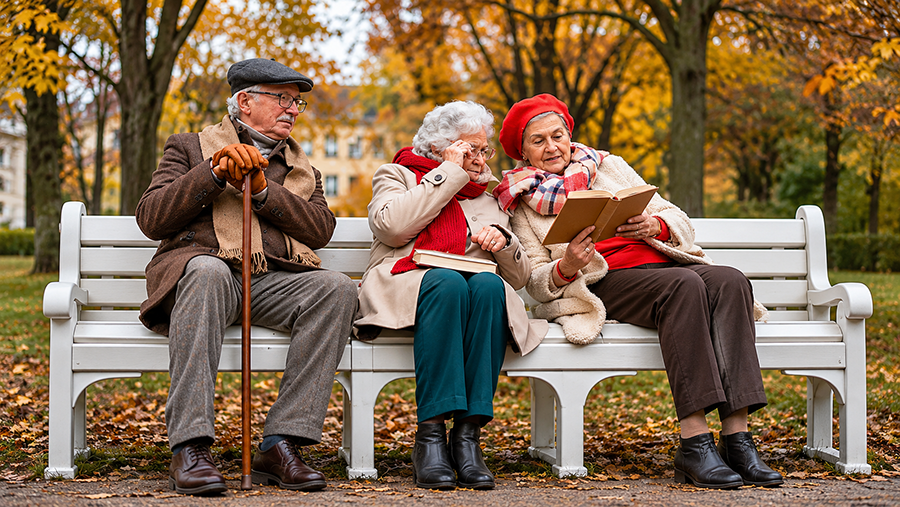
The early signs of dementia in elderly people may include repeatedly asking the same questions, getting lost in familiar places, struggling with everyday decisions or experiencing noticeable changes in judgment and behavior.
These symptoms do not automatically confirm dementia. Depression, medication side effects, sleep disorders and certain vitamin deficiencies can also affect memory and concentration. A healthcare professional can assess the symptoms and identify possible causes.
Sudden confusion, particularly when accompanied by speech difficulties or weakness, requires urgent medical attention rather than being dismissed as dementia.
India’s Growing Challenge
India faces particular challenges as its older population expands. The nationwide Longitudinal Ageing Study in India analysis estimated dementia prevalence at approximately 7.4% among adults aged 60 and older.
These findings underline the importance of awareness, accessible healthcare and timely diagnosis. However, prevalence estimates can vary depending on research methods and diagnostic definitions.
Many families also carry the responsibility of providing care at home. Relatives may need to supervise medications, arrange medical appointments, manage finances and support everyday activities while balancing employment and other responsibilities.
Without adequate assistance, caregiving can become physically exhausting, emotionally demanding and financially difficult. Older adults living alone or without dependable family support may face additional challenges.
Who Will Support Our Ageing Population?
There is no simple cure for most forms of dementia, but appropriate care, medical guidance and supportive environments can improve quality of life. Governments can strengthen community healthcare, train professionals and expand access to diagnostic services. Healthcare providers can encourage timely assessments, while community organizations can offer caregiver education and practical assistance.

Families also need reassurance that dementia is a medical condition, not a personal failure. People experiencing cognitive decline deserve patience, dignity and opportunities to remain involved in family and community life.
Ultimately, the growing number of affected people reflects both the success of longer life expectancy and the challenges that accompany an ageing population. The question is no longer simply whether more senior citizens are living with dementia. It is whether our healthcare systems, communities and families are prepared to support them.
Who will actually address these issues? Senior citizens are not separate from society; they are an essential part of it. They deserve more than sympathy. They deserve accessible care, understanding, dignity and meaningful support throughout their later years.